ریشه‌ها و هزینه‌های تقابل با آمریکا | گفتگوی حسین درودیان و مسعود براتی
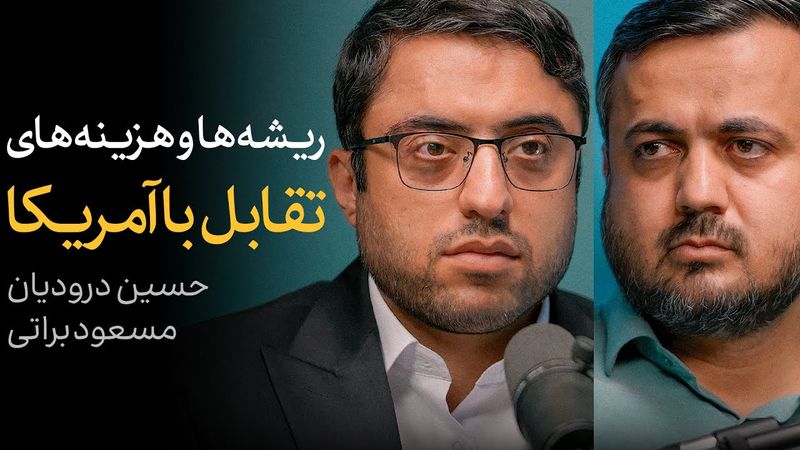
ریشه‌ها و هزینه‌های تقابل با آمریکا | گفتگوی حسین درودیان و مسعود براتی01:34:19

اطلاعات دانلود و جزئیات ویدیوی ریشه‌ها و هزینه‌های تقابل با آمریکا | گفتگوی حسین درودیان و مسعود براتی

آپلود کننده:

Azad

تاریخ انتشار:

۱۴۰۴/۳/۹

بازدیدها:

1.5K

توضیحات:

In the interview, economist Hossein Droudi argues that Iran’s economy is heavily dependent on external factors and vulnerable to sanctions, while the country’s foreign policy remains independent and sometimes aggressive. He notes that before the 1990s sanctions, Iranian officials underestimated their impact, and that many Iranians blame corruption for the main problems, even though a significant portion of corruption stems from sanctions. Droudi also references the 1979 occupation of the U.S. embassy as a turning point in U.S. pressure on Iran. Co‑host Masoud Barati adds that the seizure of a spy base and fears of a U.S. coup in 1979 shaped Western perceptions of Iran as a threat. He stresses that Iran’s foreign policy in nuclear and technology matters is defensible, but the economy must be reformed. Barati cites Russia’s experience with harsher sanctions yet lower costs as an example, and suggests that Iran should pursue strategies outside the negotiation table—such as joining BRICS and cooperating with the Shanghai Cooperation Organization—before engaging in talks.