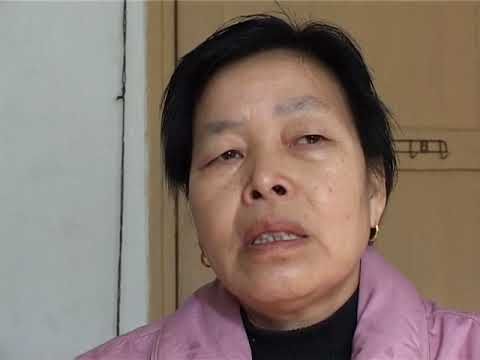
天堂花园 Garden in Heaven 艾晓明 胡杰 Ai Xiaoming, Hu Jie (2017) (English subtitles)

天堂花园 Garden in Heaven 艾晓明 胡杰 Ai Xiaoming, Hu Jie (2017) (English subtitles) Videosu İçin İndirme Bilgileri ve Detaylar
Yükleyen:
中国民间档案馆 China Unofficial ArchivesYayınlanma Tarihi:
26.03.2025Görüntülenme:
216Açıklama:
(English follows) (内容警告:影片内含法医报告中的尸检照片)2003年2月24日,湖南女教师黄静裸死在宿舍床上,全身赤裸、身上有多处伤痕,现场发现其生前男友姜俊武的精液。初步法医检验认为,黄静是因心脏疾病导致急性心肺功能衰竭而死,属于正常死亡。其家属则认为黄静之死是男友暴力强奸未遂导致,拒绝火化尸体。 该片记录了黄静案从立案到判决三年半间错综复杂的过程:黄静母亲黄淑华顶着各种压力,通过从上诉到下跪等各种途径,反复坚持尸检、艰难层层上访、利用法律来维权,直至推动全国司法检验制度的改革。该片也记录了许多进京上访者的艰难生活状态以及维权过程。黄淑华维权的决心和智慧也启发了更多维权者,例如片中为家暴受害死者刘美仱维权的刘美呐。 最后,法院仍然认定姜俊武无罪,反复强调黄静与姜的恋人关系,否定男方强奸意愿,并将黄静尸体伤归因于“特殊性行为”。对此,导演艾晓明说道,“我们要问的就是这个法律,目前这样的一个现状,它背后的原因是什么。为什么说我们妇女在挑战法律,这个挑战的凭据是什么?当我们看到它不断强调恋人关系时,它强调的是男性的性欲、性需求,和妇女的性义务。当我们说妇女受到侵害时,我们强调的是妇女的自主权,妇女的健康权,妇女的生育权,妇女的性自由。最后归结起来讲的是妇女的平等权利。讲的是人的尊严。而人的尊严是人权最核心的价值……这个判决其实非常值得我们去分析,它实际上也是一个镜子,它照出了我们目前这些基层的司法机关对一个妇女受害案基本的判断和认识。” 此案被评为2005年中国“十大影响性诉讼案”之一,成为知识分子、新闻媒体、法学专家,和网络民众共同参与寻求司法公正、呼吁政府依法治国的重要事件。 创作者简介: 艾晓明(1953—),女权学者、写作者、纪录片工作者。艾晓明关注公共事务,持续参与社会倡导,并在这个过程中接触到纪录片,拍摄了多部记录中国公民维权运动的作品。因其倡导行动,艾晓明长期面临政府打压,但依旧持续抗争至今,记录真实的历史。 胡杰(1958—),中国纪录片导演。胡杰的作品分为三类,一类是现实题材,聚焦像煤矿工人和被拐妇女这样的社会底层人民;第二类是历史题材,填补官方关于反右运动、文革和大饥荒等事件上的叙事空白;第三类是公民抗争纪录片。胡杰没有投资人,也不接受海外资助,拍摄成本均自行负担。因为内容敏感,他的作品大多无法在国内公开放映,只在能地下流传,或在境外播放。 (Warning: some viewers may find this film distressing as it has photos of forensic reports about a physical attack)In February 24, 2003, Huang Jing, a female teacher in Hunan Province was found dead, naked, on her dormitory bed, with multiple bruises on her body. Semen from her boyfriend Jiang Junwu was found at the scene. An initial forensic report concluded that she died from acute cardiopulmonary failure due to heart disease and categorized it as a “natural death.” However, many believed her death was caused by a violent attempted rape by her boyfriend and refused to allow her body to be cremated. The case drew sustained attention from the media and internet users, and became one of China’s “Top Ten Influential Lawsuits of 2005.” It also became a landmark case involving the collective call from intellectuals, journalists, legal experts, and netizens for justice and the rule of law. The film documents the complex, three-and-a-half-year legal journey from the initial filing to the final verdict. It follows Huang Jing’s mother, Huang Shuhua, as she faced immense pressure and persisted through every possible avenue, from legal appeals to kneeling and pleading, to demand proper autopsies. Her relentless petitions and legal efforts not only aimed to defend her daughter's rights but also contributed to the broader push for reform in China’s forensic and judicial systems. The film also documents the difficult lives and struggles of many petitioners who traveled to Beijing seeking justice. Huang Shuhua’s determination and intelligence inspired others, such as Liu Meina, who pursued justice for Liu Meiqian, a domestic violence victim who died as a result of abuse. In the end, the court upheld its original ruling, repeatedly emphasizing the romantic relationship between Huang Jing and Jiang Junwu, denying the possibility of rape, and attributing the injuries on her body to “unusual sexual behavior.” In response, director Ai Xiaoming remarked: _“What we need to ask is: what is the current state of our legal system, and what lies behind it? Why is it said that women are challenging the law, and what is the basis for that challenge? When the verdict repeatedly emphasizes the romantic relationship, it is really reinforcing male sexual desire, male sexual entitlement, and women’s so-called sexual obligations. But when we talk about women being harmed, what we are emphasizing is women's bodily autonomy, their health rights, their reproductive rights, and their sexual freedom. At the heart of it all is the right to equality. It’s about human dignity, and human dignity is the core value of human rights. This verdict is deeply worthy of analysis. It serves as a mirror, reflecting the fundamental attitudes and understandings of our grassroots judiciary when it comes to cases involving women as victims.”_ About the Creators: Ai Xiaoming (1953-), feminist scholar, writer, and documentary filmmaker. Ai follows public affairs and participates in social advocacy, during which she encountered documentary films and began to shoot her own films documenting Chinese citizens’ rights protection struggles. Due to her advocacy, Ai has faced various forms of repression, but continues to document history. Hu Jie (1958-), Chinese documentary filmmaker. In Hu Jie's own view, his works can be divided into three categories: 1) contemporary reality that focuses on ordinary people; 2) historical documentation aiming to fill in the blanks of the official narratives about the Anti-Rightist campaign, the Cultural Revolution, and the Great Famine; 3) documentation of citizen activism. Hu Jie has no investors and receives no foreign funding, and he pays for his own filming costs. Due to their political sensitivity, most of his works cannot be publicly screened in China, and are only circulated underground or screened outside the country.
Benzer Videolar: 天堂花园 Garden in Heaven 艾晓明 胡杰 Ai Xiaoming
中国人资产缩水超GDP十倍|全民返平的习近贫新年贺词|Xi Jinping’s “Common Return to Poverty” in His New Year Address
分娩 分娩视频 正常分娩 高清原声现场实拍 2022年更新教学资源新内部见习绝版 预览片段 中国大陆 ,Chinese vaginal birth video,hospital hirth
死灵魂 (2018) 八小时完整版
![[HSK3~4] 在中国怎么称呼别人? (How to Address People in China) | Chinese Podcast](https://videodownloadbot.com/images/video/e29/mumyddnsl8spjqzd18q62d0or2dzegak_medium.jpeg)
[HSK3~4] 在中国怎么称呼别人? (How to Address People in China) | Chinese Podcast

【硬核分析】日本巨头失守的市场:中国相机失落 20 年后,大疆和影石如何重新定义影像业游戏规则?这场逆袭藏着哪些投资机会?