Что делать, если попал в штурмы. Подробная инструкция

Что делать, если попал в штурмы. Подробная инструкция51:02

Інформація про завантаження та деталі відео Что делать, если попал в штурмы. Подробная инструкция
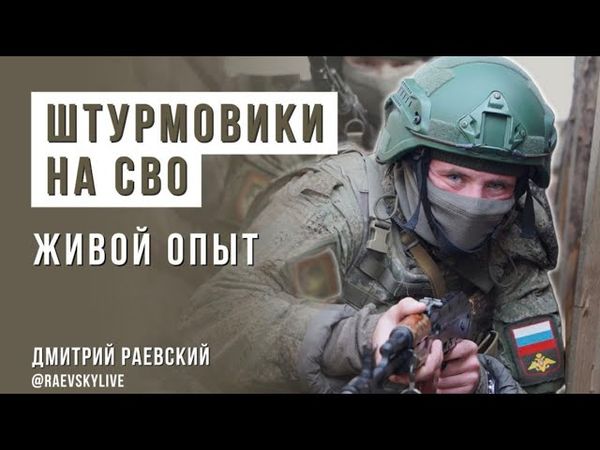
Автор:

Дмитрий Раевский политолог

Дата публікації:

17.02.2025

Переглядів:

253.5K

Опис:

00:00 – The video opens with an overview of modern warfare and the role of assault troops. 03:07 – The presenter explains that 90% of assault troops are killed by drones and artillery, citing examples such as Mavik drops, "babya yagi", FPV, and 155mm shells. 05:03 – He discusses the survivability of UAV units and suggests that those who want to go to war should join UAV units. 06:18 – The odds of an assault trooper surviving after two assaults are only 1%. 07:20 – He offers advice to soldiers, urging them to get into UAVs. 07:57 – He presents a choice: either assault or buy a Mavik and conduct drops. 09:33 – Soldiers are shown to spend their salaries on gear that the Ministry of Defense does not provide. 10:29 – He advises looking for upgrades to Maviks and protection against R.E.B. 10:59 – He recommends wearing a ballistic vest to survive injuries and cold. 11:55 – He states that assault troops and other groups are essentially suicide squads. 13:50 – He explains a nighttime movement rule using invisibility cloaks. 14:32 – The problem that assault troops cannot reach enemy positions and die earlier is highlighted. 14:49 – He outlines a successful assault tactic and how to survive. 16:36 – He emphasizes that during an assault, water is more important than ammunition to avoid dehydration. 17:53 – He discusses task distribution within a platoon. 18:24 – He lists what a platoon leader needs for assault operations. 19:25 – He explains the role of a soldier after securing a bunker: creating a gap and avoiding the bunker. 20:31 – He warns that if you are wounded, you should not expect evacuation. 20:44 – Clear role distribution helps survive an assault, assigning who carries ammunition, R.E.B., spare batteries, and water. 22:21 – He argues that grenades are more important than bullets in this war. 23:23 – He notes that shotguns or Kalashnikov attachments can knock down Maviks and FPVs. 24:40 – He stresses the importance of spare batteries for radios; without communication, you are doomed, and you must survive three days until replacement. 25:34 – He recommends placing two R.E.B. units at opposite ends of the bunker. 26:39 – He describes the current war as a hunter for the living. 28:04 – He says that on the front, water is a higher priority than food, otherwise you will have to go to the toilet and expose yourself and your unit. 29:06 – He describes the life of assault troops as rats: crawling, not eating, hiding in cracks, and being ambushed. 29:35 – He says that assault troops can survive if the commander is competent. 30:15 – During an assault, the commander should lead the troops using a Mavik over the group. 31:26 – He explains that incendiary grenades and high-explosive grenades from grenade launchers, not automatic weapons, help in assaults. 32:13 – He recommends having a thermal vision device and a drop with a thermal vision. 32:45 – He advises going to UAVs or following survival instructions. 33:32 – He notes that competent commanders are few, who decide whether to turn on R.E.B. or not. 34:21 – He criticizes the high cost of conscription. 35:48 – He states that survivability after the first assault is 10% if wounded early. 36:48 – He discusses how to solve the problem of assault troop losses when unprepared soldiers are sent to death. 38:48 – He says current training does not teach how to fight drones and reach enemy positions. 39:21 – He explains how to learn from mistakes and fight. 41:02 – He says the army has become deeply bureaucratic. 41:31 – He explains how to identify enemy fire points. 44:56 – He points out the lack of support for soldiers. 46:44 – He discusses the arithmetic and economics of war, including payments to fallen soldiers and weapon costs.