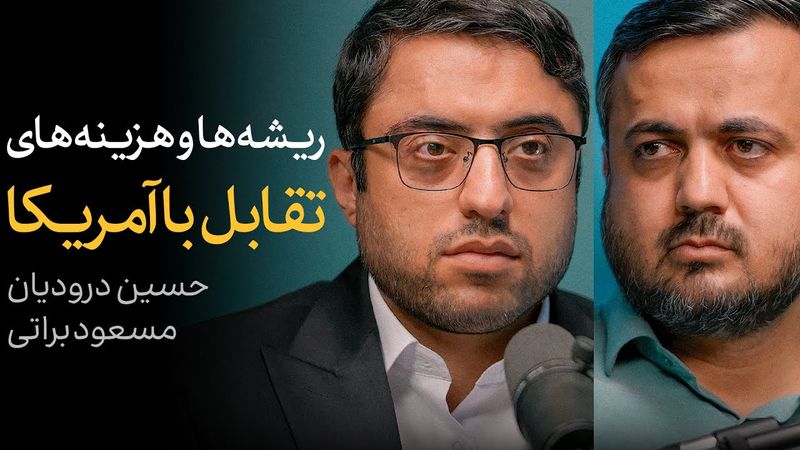
ریشه‌ها و هزینه‌های تقابل با آمریکا | گفتگوی حسین درودیان و مسعود براتی
ریشه‌ها و هزینه‌های تقابل با آمریکا | گفتگوی حسین درودیان و مسعود براتی01:34:19

ریشه‌ها و هزینه‌های تقابل با آمریکا | گفتگوی حسین درودیان و مسعود براتی videosi uchun yuklab olish ma'lumotlari va tafsilotlari

Muallif:

Azad

Chop etilgan sana:

30/05/2025

Ko'rishlar soni:

1.5K

Tavsif:

In the interview, economist Hossein Droudi argues that Iran’s economy is heavily dependent on external factors and vulnerable to sanctions, while its foreign policy remains independent and sometimes aggressive. He notes that before the 1990s sanctions, Iranian officials underestimated their impact, and that many Iranians blame corruption for the country’s problems, though a significant portion of corruption stems from sanctions. Droudi also references the 1979 occupation of the U.S. embassy as a turning point in U.S. pressure on Iran. Co‑host Masoud Barati adds that Iran’s strategy of seizing a spy base was driven by fears of a U.S. coup, and that the West’s perception of Iran as a threat arose from Iran’s own diplomatic shifts. Barati stresses the need to reform Iran’s economic structure and suggests a strategy similar to former President Rouhani’s—engaging in external initiatives such as joining BRICS and Shanghai Cooperation before negotiating—rather than starting negotiations from a purely domestic stance.