Anand Ranganathan on Nehru, Modi, Farm Laws, Secularism & Indian Economy | Waqf Hindu temple control
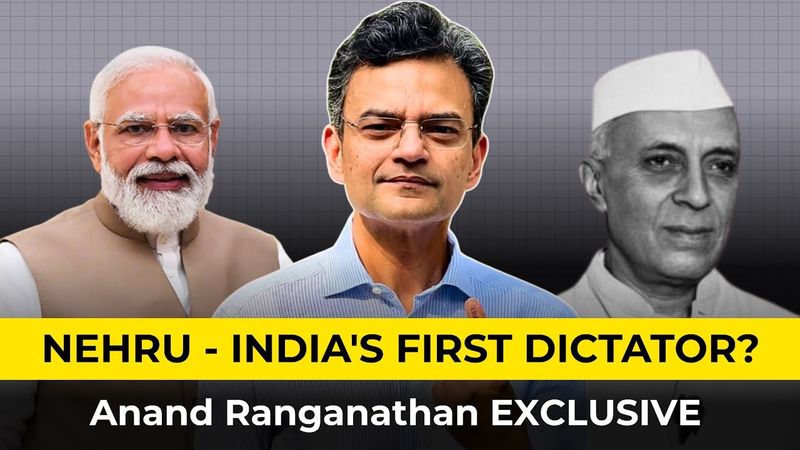
Anand Ranganathan on Nehru, Modi, Farm Laws, Secularism & Indian Economy | Waqf Hindu temple control59:36

Download information and video details for Anand Ranganathan on Nehru, Modi, Farm Laws, Secularism & Indian Economy | Waqf Hindu temple control

Uploader:

Clear Cut Talks

Published at:

5/31/2025

Views:

10K

Description:

00:00:00 - Introduction 00:01:53 - Modi’s Policies & Opposition 00:04:19 - Selective Journalism 00:06:23 - Fact-Checkers Hypocrisy 00:09:38 - Media Bias 00:11:54 - Democracy in Danger 00:14:27 - Electoral Bonds 00:17:54 - BJP’s Corruption 00:19:00 - Political Hypocrisy 00:38:52 - Hindus - Second-Class Citizens? 00:40:23 - Temple Control 00:44:12 - Political Appeasement 00:49:23 - Nehru as Dictator 00:56:28 - Election Buzz and Opposition’s Role Anand Ranganathan criticizes BJP for inducting allegedly corrupt leaders such as Ajit Pawar, accused of a 7,000 crore scam, and Anand Singh, who faces 15 forest crime charges. He argues that the opposition, including Congress, supported the repeal of farm laws, labeling them an anti‑national act, even though the laws were part of Congress’s manifesto. Congress accuses Adani of corruption but has awarded him 85,000 crore projects in Rajasthan and Chhattisgarh. The DMK, a Congress ally, released the perpetrators of the Coimbatore blast, citing work for Muslims, revealing a flawed mindset. The opposition and left claim democracy is in danger only under Modi, ignoring similar issues under Congress, Kejriwal, or Mamata. For example, Kejriwal’s 50 crore Sheesh Mahal during COVID and Tejinder Bagga’s arrest for criticism illustrate this double standard. Fact‑checkers and journalists such as Lallantop and Alt News selectively defend or ignore issues, for instance comparing Nupur Sharma’s Hadith quotes with Divya Kirti’s Ramayana quotes. Dr. Ranganathan calls Jawaharlal Nehru the biggest dictator of independent India for curbing freedoms, banning books, films, plays, and songs like Satanic Verses, Nine Hours to Rama, and a harmonium on AIR. He also cites the censorship of RSS’s organizer, the jailing of historian Dharmpal, and the blocking of a 1962 war film. Critics were arrested and a draconian Press Objectionable Act was passed. Nehru, Indira, Rajiv, and Rahul visited Babar’s tomb but not Ram Janmabhoomi. Nehru opposed the Somnath Temple consecration, fearing Hindu revivalism, reflecting a mindset against cultural restoration. People vote for Modi because they see democracy in danger, a narrative selectively flagged by the opposition. Modi’s government claims achievements such as lifting 200–300 million people to a socio‑economic layer above poverty, reducing multidimensional poverty for 250 million, building highways that account for half of the total in ten years, providing 120 million toilets, 100 million gas connections, and 110 million tap water connections, and vaccinating one billion Indians twice in a year, which he calls India’s greatest achievement.