
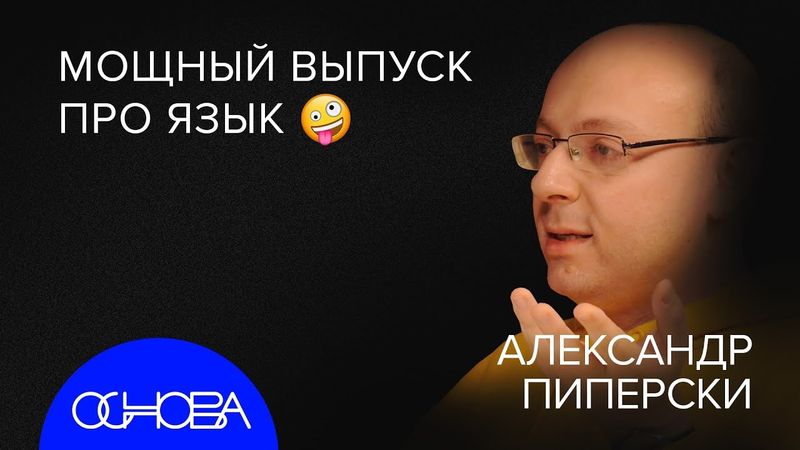
Лингвист: БУДУЩЕЕ ЯЗЫКОВ. ПАРАДОКСЫ РУССКОГО. КАКОЙ ЯЗЫК у ИИ?

Лингвист: БУДУЩЕЕ ЯЗЫКОВ. ПАРАДОКСЫ РУССКОГО. КАКОЙ ЯЗЫК у ИИ?01:14:56

Download information and video details for Лингвист: БУДУЩЕЕ ЯЗЫКОВ. ПАРАДОКСЫ РУССКОГО. КАКОЙ ЯЗЫК у ИИ?
Uploader:

ОСНОВА

Published at:

1/28/2024

Views:

351.2K

Description:

In this episode, the host discusses various linguistic paradoxes, including the correct pronunciation of "красивее" versus "красивее", the complexity of Russian stress patterns, and the role of neural networks in language understanding. 0:00 - The episode opens with an overview of today's topics. 1:25 - The host discusses the correct pronunciation of "красивее" versus "красивее", focusing on stress patterns. 09:16 - A hypothesis about the ease of pronunciation of words and syllables is presented. 11:56 - The discussion turns to why some languages are considered easy or difficult. 14:25 - The host explains how some languages are designed to be more listenable. 16:40 - The role of chatbots and neural networks in understanding language is explored. 24:31 - The paradox of Chomsky is introduced. 26:59 - Differences in neural network training for communication are examined, including a mention of "ДВАЧ". 28:59 - The special significance of stress in Russian is discussed. 36:25 - The origin of English word order is explored. 37:48 - A viewer question about the parts of speech of "Да" and "Нет" is answered. 45:07 - The history of Old Russian is reviewed. 48:42 - The foreign language most similar to Russian is identified. 51:43 - Parallels between Russian and German are examined. 54:46 - Linguists' approach to creating the most convenient language is discussed, including Esperanto. 1:00:25 - The feasibility of inventing a new Esperanto is questioned. 1:01:28 - The rise of English as an international language is considered. 01:05:24 - The origin of articles is explained. 01:09:56 - Another viewer question is answered. 01:14:13 - The disappearance of the letter "Й" in the host's surname is addressed.