Sutton Hoo bucket believed to be cremation vessel

Download information and video details for Sutton Hoo bucket believed to be cremation vessel
Uploader:
B.C. BegleyPublished at:
5/25/2025Description:
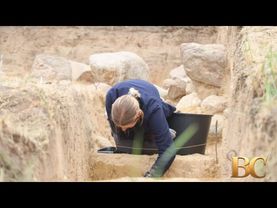
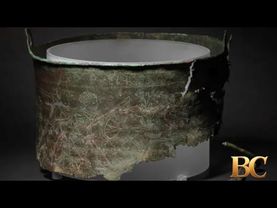
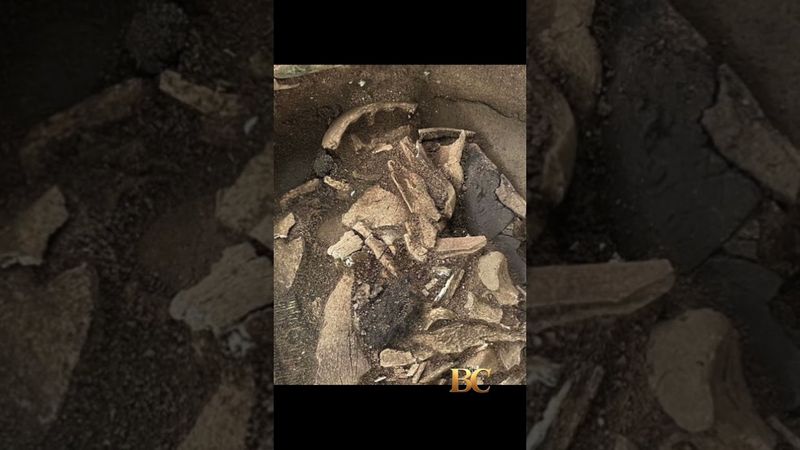
A 6th-century Byzantine bucket unearthed at Sutton Hoo, Suffolk, is believed to have been a cremation vessel, archaeologists revealed. Originally discovered in 1986, with additional fragments found in 2012 and last year, the bucket contained cremated human and animal bones, suggesting it held the remains of a prominent figure. The copper alloy bucket, adorned with a hunting scene, predates the famous Sutton Hoo ship burial. Hopes for further insights hinge on analyzing the cremated remains and an unburnt comb, which may hold ancient DNA, the BBC has reported. Time Team, which contributed to the dig, detailed the discovery in a documentary. read more: 👍 Like this video if you’re fascinated by Sutton Hoo’s rich history and ongoing archaeological discoveries! 💬 Comment below—what do you think the ancient DNA from the unburnt comb might reveal about this early medieval society? 🔗 Share this video with fellow history buffs and archaeology enthusiasts to keep the excitement alive. 🧬 Want to help uncover more ancient secrets? Support our channel by hitting the YouTube Thanks button. 🔍 Don’t forget to subscribe for more updates on fascinating finds from Sutton Hoo and beyond! 🌍🏺📜 Links for B.C. Visit My Website Follow Me On Facebook / b.c.begley Subscribe To My Patreon / bcbegley Watch Me On YouTube / @b.c.begley6007 Follow Me On Twitter / bc_news1 Watch Me On Rumble Follow Me On Gab Follow Me On Truth Social Follow Me On BlueSky Watch Me On TikTok / bcbegley #SuttonHooDiscovery #ByzantineBucket #ArchaeologyFind #shorts
Similar videos: Sutton Hoo bucket believed to be cremation vessel

Sutton Hoo bucket believed to be cremation vessel
Ancient ‘fairy houses’ still filled with treasures found in Italy
Ancient ‘fairy houses’ still filled with treasures found in Italy
Ancient Tombs Older Than Egypt’s Pyramids Emerge in Poland

Amateur archaeologists unearth winged goddess at Hadrian’s Wall