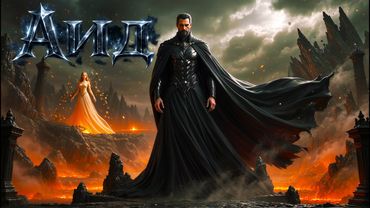
The Lay of the Wise Oleg - A. S. Pushkin #TheLegendaryPoet

The Lay of the Wise Oleg - A. S. Pushkin #TheLegendaryPoet07:44

Download information and video details for The Lay of the Wise Oleg - A. S. Pushkin #TheLegendaryPoet
Uploader:

The Singing Poet

Published at:

12/2/2025

Views:

6.8K

Description:

The poem “The Prophetic Oleg,” written by Pushkin in 1822, tells the story of a legendary prince from ancient Russian history. The work reflects the story of Oleg, who, upon learning of a prophecy about his death, tried to circumvent fate, but ultimately, the prophecy came true. Pushkin uses artistic devices to create a dramatic and at the same time epic image of the prince, combining historical facts with folk legends and symbolic interpretations of events. The poem shows that even a powerful prince is unable to change the outcome predicted by the prophecy. Perun is a pagan god, the chief thunder god in Slavic mythology, the patron of war, strength, and thunder. He belongs to the pantheon of ancient Slavic deities and was formed within the framework of non-biblical cults associated with nature, the elements, and social rituals. The biblical narrative, on the contrary, is based on monotheism: there is one God, the creator of all things, who rules the world and history, and any supernatural forces or spiritual beings are subject to His will, His plans. The idea of many equal gods, each with their own sphere of authority, contradicts the biblical teaching about the one God (revealed to us in the pages of Scripture as the Father, Son, and Holy Spirit) and His absolute providence. Therefore, Perun and other pagan deities are incompatible with the biblical worldview. In the Christian tradition, they are perceived as idols or symbolic images reflecting human understanding of power and nature, but not as real beings.